
Understanding the psychological triggers that drive gambling behavior
The Nature of Gambling and Its Appeal
Gambling has long been a source of entertainment and excitement for many individuals around the world. At its core, gambling leverages the thrill of risk and uncertainty, tapping into fundamental human emotions. This unpredictability generates a sense of adventure, as individuals hope for favorable outcomes while risking their money. The anticipation that builds before a significant game or bet can provide an exhilarating rush, making gambling an engaging activity for people seeking excitement. You can explore the best options by visiting a neosurf casino, which enhances the overall experience.

The psychological appeal of gambling is multifaceted, often stemming from the dopamine release associated with winning. When individuals experience a win, their brains respond by releasing dopamine, a neurotransmitter linked to pleasure and reward. This response creates a cycle of craving, where the gambler seeks to recreate that rewarding feeling. As such, each win can reinforce future gambling behavior, leading to a pattern of chasing wins that keeps individuals engaged despite the risks involved.
Additionally, the social aspect of gambling adds another layer to its allure. Whether in a casino setting or through online platforms, gambling often encourages camaraderie among players. Sharing stories of wins and losses enhances the communal experience, turning a solitary activity into a shared journey. This social reinforcement, combined with the thrill of risk, amplifies the psychological triggers driving gambling behavior.
The Role of Cognitive Biases
Cognitive biases play a significant role in influencing gambling behavior, often leading individuals to make irrational decisions. One common cognitive bias in gambling is the “gambler’s fallacy,” where individuals mistakenly believe that past events will influence future outcomes. For example, a player who has experienced several losses in a row may feel that a win is “due” to occur, leading them to place larger bets in hopes of recouping losses. This flawed reasoning can create a cycle of increased risk and greater financial loss.
Another relevant cognitive bias is the illusion of control, where gamblers believe they can influence the outcome of a game through skill or strategy, even in games of pure chance. This sense of control can lead individuals to engage more frequently in gambling activities, as they feel empowered by their perceived abilities. The belief that their decisions can directly impact outcomes often blinds them to the inherent randomness of many gambling games, leading to continued participation.
Moreover, confirmation bias can further entrench these cognitive distortions. Players may only remember instances where their predictions proved correct, ignoring the vast number of times they were wrong. This selective memory reinforces the belief that they possess an edge, leading to increased betting and heightened emotional investment in gambling outcomes. Over time, these cognitive biases can have profound implications on one’s gambling habits, making it difficult for individuals to recognize when their behavior becomes problematic.
The Influence of Emotions and Stress
Emotions significantly influence gambling behavior, often acting as both triggers and responses. Individuals may turn to gambling as a way to cope with stress, anxiety, or emotional pain. The excitement and distraction provided by gambling can temporarily alleviate negative feelings, making it an attractive escape. However, this short-term relief can lead to long-term consequences, as individuals may find themselves caught in a cycle of reliance on gambling to manage their emotional state.
On the other hand, positive emotions can also influence gambling behavior. A person celebrating a recent success or milestone may be more inclined to gamble, viewing it as a form of celebration. In these moments, the desire to experience heightened feelings of joy and excitement can overshadow rational decision-making. This emotional rollercoaster can lead to impulsive gambling, where individuals bet larger amounts in hopes of amplifying their positive emotions.
The interplay between emotions and gambling can be complex. For some, the act of gambling becomes a way to chase feelings of euphoria, while for others, it serves as a coping mechanism for negative emotions. Recognizing these patterns is essential, as emotional triggers can lead to compulsive gambling and detrimental financial consequences if left unchecked. Understanding these dynamics is crucial for developing healthier gambling habits and fostering awareness of one’s emotional responses.
Responsible Gambling Practices
With the psychological triggers driving gambling behavior well understood, it becomes essential to implement responsible gambling practices. Awareness of one’s motivations for gambling is the first step towards ensuring that the activity remains a source of enjoyment rather than a path to addiction. By acknowledging triggers such as emotions and cognitive biases, individuals can develop strategies to mitigate their impact and promote healthier gambling habits.
Setting limits on time and money spent on gambling is a fundamental aspect of responsible gambling. Establishing clear boundaries can help individuals maintain control over their gambling activities, ensuring that it remains a form of entertainment rather than an overwhelming burden. Tools such as self-exclusion programs and gambling budget planners can offer additional support in maintaining these boundaries.
Education plays a critical role in promoting responsible gambling. By understanding the psychological and emotional factors that drive gambling behavior, individuals can better recognize when their gambling habits may be becoming problematic. Resources such as counseling and support groups can provide valuable assistance in addressing gambling-related issues, fostering a safer gambling environment for all. Being informed and proactive can empower individuals to enjoy gambling responsibly and sustainably.
Discovering Online Gambling Options
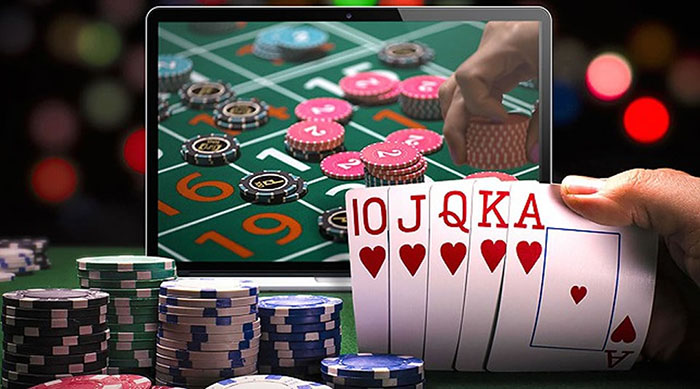
As the landscape of gambling continues to evolve, online platforms offer an array of opportunities for enthusiasts. Websites dedicated to online gambling provide not only a diverse selection of games but also the convenience of playing from home. Among these platforms, players can find insights into various online casinos, which often highlight secure payment methods like prepaid options to enhance privacy and safety during transactions.
Moreover, many online gambling sites emphasize responsible gaming practices. They often provide resources and information to help players recognize the psychological triggers behind their gambling behavior. This commitment to player welfare enhances the overall experience, allowing individuals to enjoy their time spent gambling while remaining mindful of their habits.
In this digital age, individuals seeking online gambling options can benefit from well-researched platforms that prioritize player safety. With comprehensive guides available on topics such as deposits, bonuses, and game strategies, players can equip themselves with the knowledge necessary for a fulfilling and responsible online gambling experience. Through informed choices, the thrill of online gambling can be enjoyed responsibly and sustainably.